Thai Massage

Traditional Thai massage is an ancient healing practice that blends rhythmic pressure, deep stretching, and mindful movement to restore balance throughout the body.

Rooted in Buddhist traditions and influenced by Ayurvedic principles, it focuses on energy lines – called Sen – that run through the body.

Traditional Thai massage combines acupressure, assisted stretching, and rhythmic movement to help restore the body’s natural balance and flow of energy.

How does Traditional Thai Massage work?

Thai Massage involves four core elements:

  1. Focus on energy lines (Sen lines)
    Thai massage is based on the belief that energy travels through pathways in the body. Blockages in these lines can create discomfort or imbalance. Pressure is applied along these lines to release tension and encourage smoother energy flow.
  2. Assisted stretching and movement
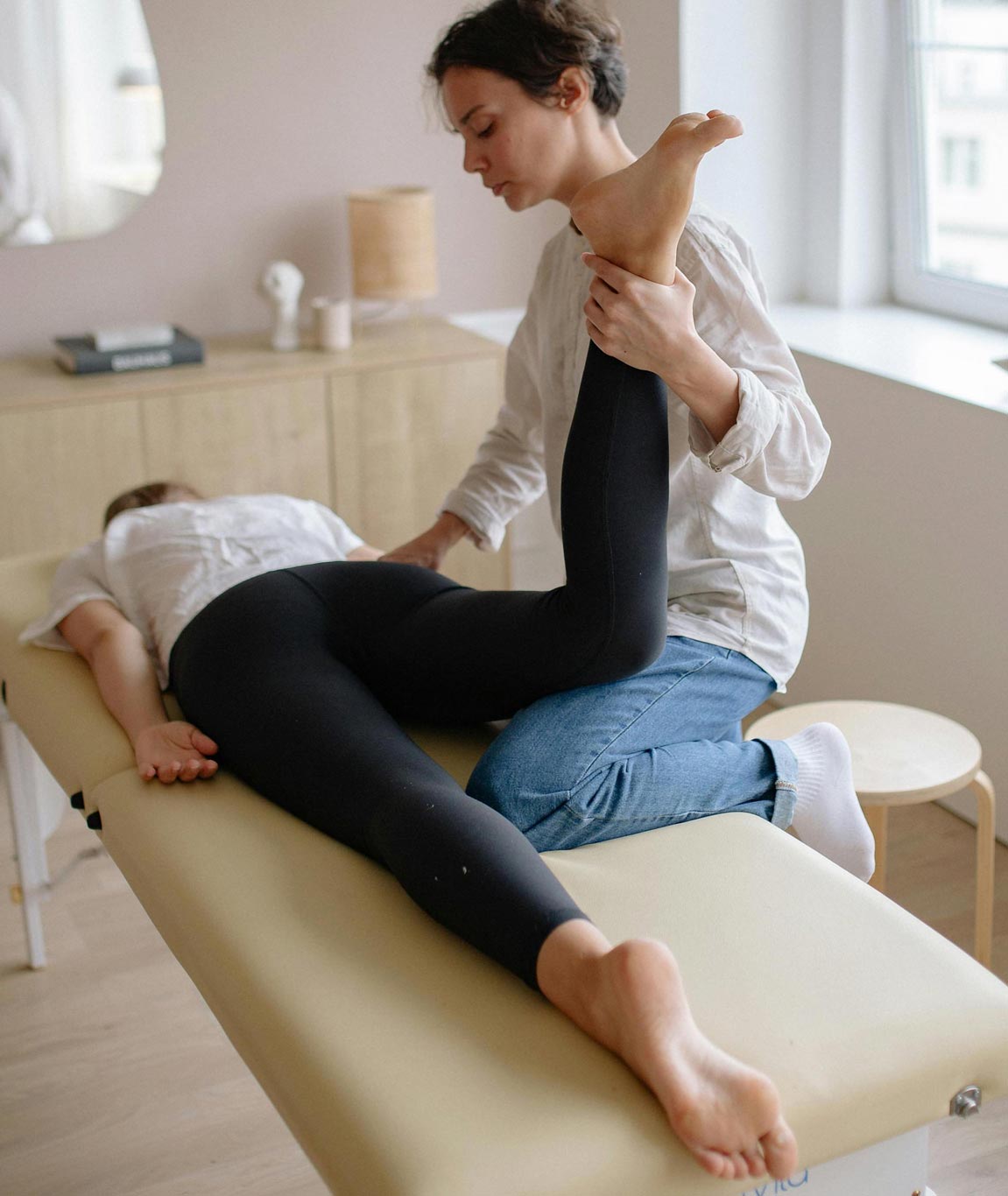
    Your practitioner gently guides you through yoga-like stretches that open joints, lengthen muscles, and increase flexibility. These movements help to improve range of motion and reduce stiffness.
  3. Compression and rhythmic pressure
    Using palms, thumbs, elbows, and sometimes body weight, your therapist applies steady, mindful pressure to muscles and connective tissues. This helps to improve circulation, reduce muscle tightness, and stimulate the nervous system.
  4. Whole-body integration
    Thai massage treats the entire body as an interconnected system, promoting relaxation, alignment, and overall wellbeing.


What will a treatment involve?

During a Traditional Thai Massage, you can expect a grounding, full-body experience that blends movement, stretching, and pressure work. Here’s what typically happens:

A fully clothed session on a floor mat
Thai Massage is performed on a padded mat at floor level. You remain comfortably dressed in loose clothing that allows free movement.

No oils or lotions
Because your therapist works through clothing and uses stretch-based techniques, oils are not needed.

Rhythmic pressure and gentle compression
Your practitioner will use their hands, thumbs, elbows, and sometimes knees to apply steady pressure along muscles and energy lines, helping to release tension.

Assisted stretches
You will be guided through a sequence of yoga-like stretches. These movements are slow, supportive, and adjusted to comfort levels.

A flowing, meditative pace
The session typically feels calm and balanced, with movements transitioning smoothly from one area of the body to another.

A sense of lightness and relaxation afterward
Many people leave feeling more open, aligned, and deeply relaxed.

Each session is adapted to your comfort, flexibility, and needs.

What should I wear?

Thai massage is performed fully clothed, typically in loose, comfortable attire that allows for easy movement.

Because your therapist uses stretching, joint mobilisation, and pressure techniques rather than oil-based work, there is no need for oils or skin contact, and no need to remove clothing.

What can I expect from a session?

During a session, your practitioner uses hands, thumbs, elbows, knees, and even gentle body weight to apply pressure and guide you through assisted stretches. These movements resemble a flowing, passive yoga sequence.

Thai Massage is performed fully clothed on a comfortable floor mat, allowing for full range of motion and deeper stretches. The experience is both grounding and invigorating, helping to release tension, improve flexibility, and promote overall wellbeing.

Clients often leave feeling lighter, more aligned, and deeply relaxed, with a renewed sense of physical and energetic harmony.

What conditions can it help with?
Many people find Traditional Thai Massage helpful as a complementary therapy for a range of common discomforts and lifestyle-related issues. These include:
  • Muscle tension and stiffness – especially in the back, shoulders, hips, and legs
  • Stress and anxiety – the slow, mindful pace can help to calm the nervous system
  • Reduced flexibility or limited range of motion – assisted stretching can gently improve mobility
  • Poor circulation or general sluggishness – compression techniques may help to stimulate blood flow
  • Posture-related discomfort – particularly for those who sit or stand for long periods
  • General fatigue or low energy – sessions often leave clients feeling more balanced and revitalised
  • Mild joint stiffness – gentle movement can help to ease tension around the joints.
Are there any common misconceptions?
  • “Thai massage is supposed to be painful”
    While some stretches can feel intense, Thai massage should never be painful. A skilled therapist adjusts pressure and movements to the client’s comfort level.
  • “It’s the same as deep-tissue massage”
    Thai massage isn’t simply deep pressure. It is a blend of acupressure, stretching, and rhythmic movement designed to support balance and mobility – not just release muscles.
  • “You need to be flexible to receive it”
    Clients don’t need any existing flexibility. The practitioner guides each stretch gently, and movements can be adapted for all body types, fitness levels, and ages.
  • “It’s only about stretching”
    Although stretches are a key feature, Thai massage also involves compression, joint mobilisation, and energy line work.
  • “It’s a quick fix”
    Thai massage can offer immediate relief, but long-term benefits – better mobility, reduced tension, improved posture – often come with regular sessions.
How many sessions will I need?

Many people feel noticeable benefits from just one session of traditional Thai massage – especially relief from muscle tension, improved mobility, and a sense of relaxation. However, the ideal number of sessions depends on your goals, lifestyle, and any underlying tension patterns.

Here’s a general guide:

  • For general stress relief or occasional tightness:
    You may feel better immediately, with benefits lasting several days. A session every 2–4 weeks can help to maintain overall wellbeing.
  • For chronic tension, stiffness, or posture-related discomfort:
    A series of 3–6 weekly or bi-weekly sessions often provides deeper, longer-lasting improvements in mobility and muscle balance.
  • For ongoing maintenance and flexibility:
    Many people choose a regular schedule – such as monthly – to keep tension from building up.

Ultimately, the best plan is one that feels good for your body and fits your routine. Your therapist can help to tailor a schedule based on your needs, comfort, and goals.

How much does it cost?

Martha Dooley:

60 minutes – £60

90 minutes – £90

Mixed Chinese Herbs

Meet the Practitioners

Contact the Alma Vale Centre to find out more, or to book your initial consultation:

13 + 1 =

Or visit the Alma Vale Centre to speak in person.

Alma Vale Centre
Privacy Overview

This website uses cookies so that we can provide you with the best user experience possible. Cookie information is stored in your browser and performs functions such as recognising you when you return to our website and helping our team to understand which sections of the website you find most interesting and useful.